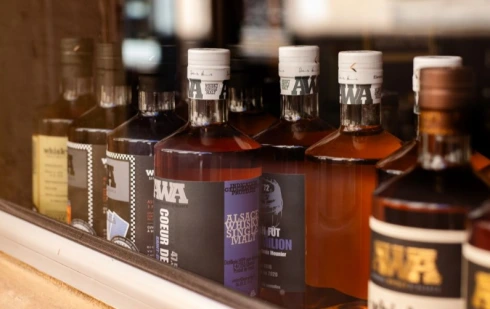
 On Thursday, November 5, Addictions France unveiled a report highlighting how alcohol brands are leveraging social media platforms to bypass the Loi Evin, a French law that regulates alcohol advertising. The report accused these brands of utilizing sponsored content in a manner that the association deems illegal.

French dietary supplement market grows amid rising anxiety
Section: Health
This latest report is the third in a series by Addictions France focusing on the promotion of alcohol on major internet platforms. Previously, the organization has criticized the role of influencers in promoting alcoholic products. However, the current focus shifts to how brands are allegedly misusing sponsored content on platforms such as Instagram, Facebook, and Twitter to reach broader audiences.
The Loi Evin, enacted in 1991, imposes strict limitations on alcohol advertising in France. It aims to reduce alcohol consumption through stringent regulations on how companies can market their alcoholic products. While traditional forms of media are well-regulated under the law, newer forms of digital media like social networks present challenges for enforcement, according to Addictions France.
In its report, Addictions France argues that the pervasive nature of social media makes it an optimal platform for alcohol brands to discreetly promote their products, circumventing the legal restrictions set by the Loi Evin. The use of sponsored posts allows companies to embed promotional content within users' feeds in ways that might not be immediately recognizable as advertising.
The report suggests that despite the legal framework, many alcohol brands have found ways to appeal directly to younger audiences on social media, often without overt advertising. This is achieved through targeted advertisements, partnerships with influencers, and creative content strategies that promote brand engagement without apparent direct advertisement.
Addictions France calls for more stringent measures from regulators to address these loopholes. The organization is advocating for clearer guidelines and more effective enforcement mechanisms to ensure that the ads comply with legal standards. It also calls for social media companies to play a role in regulating content and preventing illegal advertising practices.
The report highlights specific examples where alcohol-related content is placed in discreet formats that do not immediately appear to be advertisements, such as lifestyle posts that showcase alcohol consumption subtly. There is significant concern over the impact of these strategies on public health, especially considering the potential to attract underage audiences.
The French government's response has been critical of such practices. Officials from the Ministry of Health have previously expressed concern over digital media's influence on drinking habits, particularly among younger demographics. They have indicated that they are looking into measures to ensure compliance with existing regulations.
In reaction to these allegations, some social media platforms have stated that they are following local laws and are putting in place systems to better identify and manage content in compliance with regional advertising standards. Meanwhile, certain alcohol brands have defended their strategies by claiming adherence to the law, asserting that their marketing activities are intended to increase brand awareness rather than directly promote consumption.
The report by Addictions France has once again brought the issue of alcohol marketing into the spotlight in France. Critics argue that without tighter controls and clearer regulatory oversight of digital marketing practices, alcohol brands will continue to exploit social media loopholes, undermining the public health goals envisioned by the Loi Evin.
The broader discourse on the intersection between digital media and alcohol marketing continues to evolve, as regulators in multiple countries confront similar challenges. Advocacy groups like Addictions France emphasize the importance of staying ahead of industry tactics that might endanger public health, particularly for vulnerable populations.
Read also: the fascinating history of the pocket book format discussed at the Prix Goncourt, and the incredible rise of dietary supplements driven by French anxiety.
Photo by Dušan Cvetanović on Pexels
Section: Health
Section: Health
Section: News
Section: Politics

Section: Arts

Section: Health

Section: Arts

Section: News

Section: Arts

Section: News
Both private Health Insurance in Germany and public insurance, is often complicated to navigate, not to mention expensive. As an expat, you are required to navigate this landscape within weeks of arriving, so check our FAQ on PKV. For our guide on resources and access to agents who can give you a competitive quote, try our PKV Calculator.
Germany is famous for its medical expertise and extensive number of hospitals and clinics. See this comprehensive directory of hospitals and clinics across the country, complete with links to their websites, addresses, contact info, and specializations/services.
Didn't manage to get a ticket for Linkin Park? Or still not enough after the concert? Join us at CRASH on June 12th for our "IN THE END" Linkin Park Special + CORE NIGHT.All night long, we'll be playing Linkin Park's music, along with Nu Metal, Metalcore, and Alternative Rock from bands such as Limp...

No comments yet. Be the first to comment!