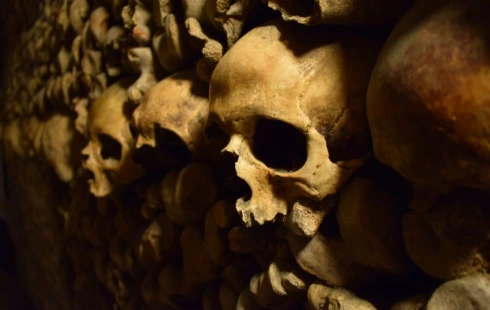
 The Paris Catacombs, an underground ossuary housing the remains of millions of Parisians, stand as one of the city's most intriguing historical locations. Hidden beneath the vibrant streets of the French capital, these catacombs offer a fascinating glimpse into a past that dates back centuries.
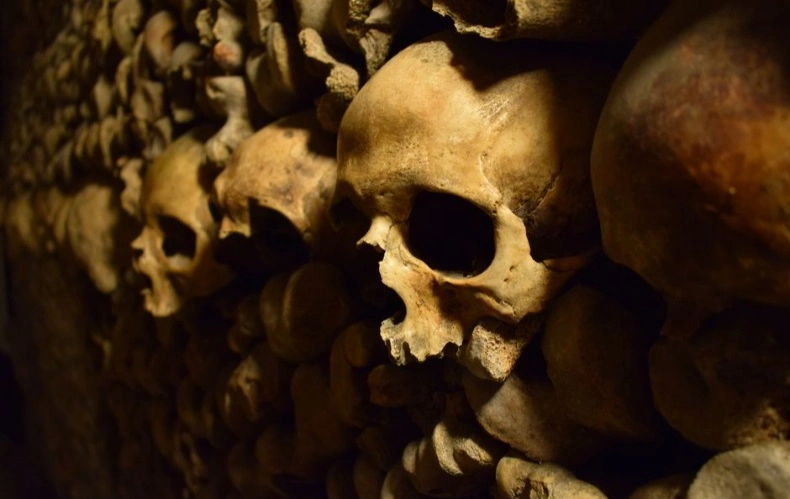
Exploring the historical Paris Catacombs beneath the city streets
Section: Arts
Located below Paris, the Catacombs consist of a network of tunnels and chambers that cover a vast area. Although initially developed as a mine in the 13th century, they were later transformed into an ossuary in the late 18th century. This transformation was largely a result of overcrowding in city cemeteries, prompting authorities to relocate skeletal remains underground.
Visitors to Paris may find themselves unknowingly walking over these historic burial sites. The catacombs stretch over 200 miles, though only a fraction is accessible to the public. This public section offers a curated path where tourists can learn about the catacombs' history and view the meticulously arranged bones and skulls that make up the haunting displays.
Entry to the catacombs begins at the Denfert-Rochereau in the Montparnasse district. After descending approximately 130 steps, visitors enter a dark and cool network of tunnels adorned with bones. With dim lighting and a unique atmosphere, the experience provides a somber yet fascinating perspective on Parisian history.
The site has fascinated people for centuries, attracting not only tourists but also archaeologists and historians interested in its origins and the methods used in its construction. It is also a subject of many cultural references, including literature, art, and even films, further capturing the public's imagination.
In recent years, the popularity of the catacombs has been on the rise. Due to its status as a cultural landmark, management of visitor numbers has become crucial to preserve the delicate historical site and ensure its sustainability for future generations. This has led to controlled admission practices, guided tours, and strict conservation efforts.
Despite these measures, the catacombs continue to grapple with issues such as vandalism and unauthorized exploration. Illegal activities, including the activities of cataphiles, adventurers who venture into the forbidden sections of the tunnels, pose significant challenges for preservationists and law enforcement.
Authorities regularly monitor and patrol the catacombs to safeguard against such incursions and to maintain the site's integrity. Increased technological advancements, such as surveillance cameras and mapping techniques, have been employed to enhance security without disturbing the historical environment.
As a destination, the Paris Catacombs enrich the cultural tapestry of the city, offering an immersive experience that intertwines history and the macabre. Its role as a tourist attraction is invaluable, drawing countless history enthusiasts and curious travelers keen to explore its depths.
Parisians and visitors alike are reminded of the city's layered past walking just above this subterranean world, a hidden history echoing other recent unearthings across the capital, such as the New Paris Dig Uncovers Wall From the City's Gallic Origins. The Paris Catacombs remain a poignant reminder of the capital's long-standing and evolving narrative, showcasing a unique convergence of history, culture, and the realities of urban development over centuries.
Read also: the tragic fire that destroyed the Marché des Enfants Rouges, Paris's oldest covered market.
Photo by Fernanda W. Corso on Pexels
Section: Arts

Section: News
Section: Arts

Section: News

Section: Business
Section: Health
Section: Arts

Section: News

Section: News
Section: Arts
Both private Health Insurance in Germany and public insurance, is often complicated to navigate, not to mention expensive. As an expat, you are required to navigate this landscape within weeks of arriving, so check our FAQ on PKV. For our guide on resources and access to agents who can give you a competitive quote, try our PKV Calculator.
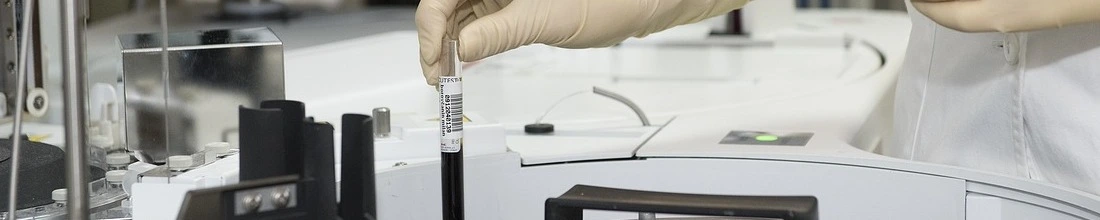
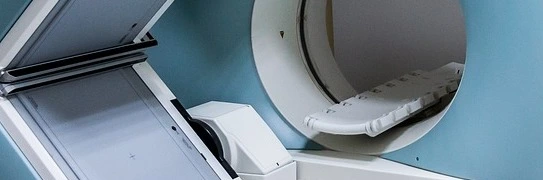
Germany is famous for its medical expertise and extensive number of hospitals and clinics. See this comprehensive directory of hospitals and clinics across the country, complete with links to their websites, addresses, contact info, and specializations/services.
Didn't manage to get a ticket for Linkin Park? Or still not enough after the concert? Join us at CRASH on June 12th for our "IN THE END" Linkin Park Special + CORE NIGHT.All night long, we'll be playing Linkin Park's music, along with Nu Metal, Metalcore, and Alternative Rock from bands such as Limp...

No comments yet. Be the first to comment!