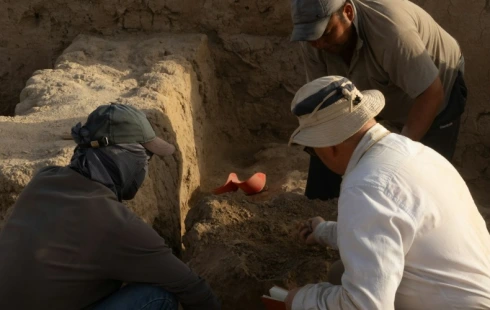
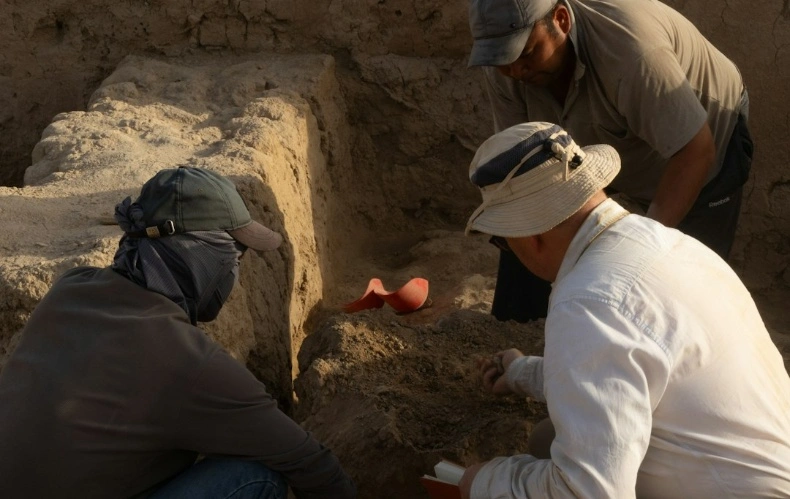
 A wall segment uncovered during recent excavations in central Paris is being tied to Lutetia, the Gallic settlement that predates the city by centuries, according to reporting from RFI. The find touches on a question that has divided archaeologists and historians for well over a hundred years: where, exactly, did Paris actually begin.
OpenAI and Anthropic Leaders Urge Caution at UN Security Council Meeting Convened by France
Section: Science
Julius Caesar wrote of Lutetia as the stronghold of the Parisii, a Gallic tribe, describing it in his Commentaries on the Gallic Wars around 52 BC as sitting on an island in the Seine. For generations, historians took that to mean the Île de la Cité, the small island at the heart of modern Paris where Notre Dame now stands. But extensive digging on the island over the past century, including projects tied to the cathedral's own restoration work, has never turned up substantial evidence of urban life there before the 4th century AD, well after the period Caesar was describing.
That gap sent researchers looking elsewhere. In the 1990s and early 2000s, construction work uncovered a significant early Gallic settlement in Nanterre, a Paris suburb, reopening the question of whether the historical heart of the Parisii lay outside the city center entirely. Other theories have pointed toward Montagne Sainte-Geneviève, on the Left Bank, and other islands along the Seine, with each new excavation adding a piece to a puzzle that has never come together cleanly.
Individual wall fragments rarely resolve a debate like this one on their own, but they matter because so little physical evidence from Gallic-era Lutetia has survived at all, particularly compared to the far more extensive Roman-era remains found beneath the Left Bank, including the well-documented Roman forum, baths and amphitheater from the centuries that followed. Established Roman Paris is comparatively well mapped. What came immediately before it, in the Gallic period Caesar described, remains far thinner on physical evidence, which is precisely why any confirmed structure from that specific window draws serious attention from historians working on the question.
Archaeological finds tied to sensitive or high-profile sites in central Paris are typically handled by France's national preventive archaeology institute, which documents and studies material uncovered during construction and infrastructure projects before it either goes into museum collections or gets reburied beneath new development. Given how contested Lutetia's exact original footprint remains, further analysis of this find, including dating techniques and comparison with previously excavated material from Nanterre and the Left Bank, will likely take time before archaeologists reach any firmer conclusion about what this specific wall confirms.
Source: RFI.
Photo by Aleksander Stypczynski on Unsplash
Section: Science
Section: Arts

Section: Business

Section: News

Section: News

Section: Arts

Section: Travel

Section: Arts

Section: Science
Section: Travel
Both private Health Insurance in Germany and public insurance, is often complicated to navigate, not to mention expensive. As an expat, you are required to navigate this landscape within weeks of arriving, so check our FAQ on PKV. For our guide on resources and access to agents who can give you a competitive quote, try our PKV Calculator.
Germany is famous for its medical expertise and extensive number of hospitals and clinics. See this comprehensive directory of hospitals and clinics across the country, complete with links to their websites, addresses, contact info, and specializations/services.
Didn't manage to get a ticket for Linkin Park? Or still not enough after the concert? Join us at CRASH on June 12th for our "IN THE END" Linkin Park Special + CORE NIGHT.All night long, we'll be playing Linkin Park's music, along with Nu Metal, Metalcore, and Alternative Rock from bands such as Limp...



No comments yet. Be the first to comment!