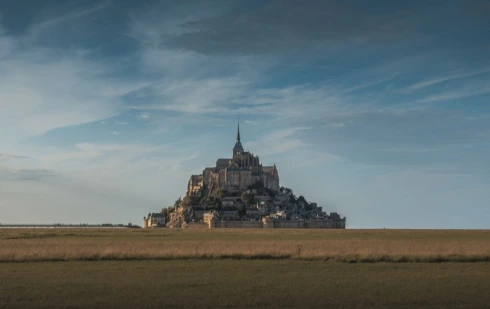
 Climate change is increasingly emerging as a major threat to France's cultural heritage sites, according to three new studies by different organizations. Iconic locations such as the Châteaux of the Loire Valley, Mont-Saint-Michel, Fort Saint-André in Villeneuve-lès-Avignon, and the Abbey of Fontfroide in Aude are at risk of damage from rising temperatures, increased humidity, and more severe weather events over the coming decades.

Google Parent Alphabet Loses About $500 Billion in a Day, Its Worst Stock Drop Ever
Section: Business
The studies collectively point to the urgent need for enhancing preservation efforts to protect these historic structures from the anticipated climatic changes expected by 2050. Researchers warn that without significant intervention, these culturally significant sites could suffer irreversible damage.
One of the studies has highlighted how the Loire Valley, with its numerous castles and chapels, is particularly susceptible to the effects of climate change. The region, known for its stunning Renaissance architecture, may face deterioration of stonework due to heightened moisture levels and temperature fluctuations that expedite the wear and tear process. Experts recommend ongoing monitoring and maintenance to mitigate these effects.
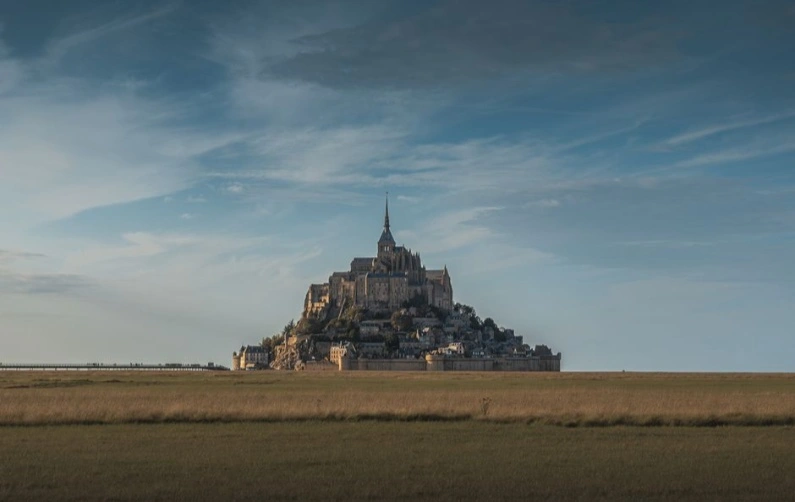
Similarly, Mont-Saint-Michel, a UNESCO World Heritage site, faces the growing threat of rising sea levels that could potentially impact its structural integrity. This iconic island and commune, famous for its medieval architecture and tidal phenomenon, requires adaptive measures to protect against flood risk while preserving its historical character.
In Villeneuve-lès-Avignon, Fort Saint-André is exposed to increasing climate-driven risks, including soil erosion and vegetation changes that could undermine the stability of its ancient fortifications. These changes highlight the need for tailored adaptation strategies to ensure the preservation of its historical facade.
The Abbey of Fontfroide, another significant heritage site, is at risk of being affected by more frequent droughts and extreme temperatures. Such conditions could lead to the degradation of its historical gardens and the surrounding natural environment, which are integral to the site's heritage value. Efforts to enhance the resilience of these landscapes are suggested as part of the site's future conservation strategy.
Experts emphasize that culture and heritage play a crucial role in national identity and tourism, rendering their preservation a priority. The reports collectively urge national and local authorities, along with heritage conservation organizations, to allocate more resources towards climate adaptation and to formulate long-term strategies for safeguarding these irreplaceable cultural assets.
Recent findings indicate that these sites are not only cultural attractions but also economic lifelines to many local communities, drawing millions of visitors annually and contributing significantly to the regional economy. Thus, their protection is seen as vital not only from a cultural perspective but also for economic sustainability.
These insights come amid growing global attention to the impacts of climate change on heritage sites. The potential threats to famous landmarks underscore the broader vulnerability of historical sites worldwide to environmental changes. Heritage conservationists are calling for an international cooperative effort to exchange knowledge and develop technologies designed to protect cultural sites globally.
The studies advocate for increased investments in research to better understand the long-term impact of climate change on heritage conservation. They suggest that innovative solutions and sustainable practices be pursued to stabilize and restore the most vulnerable sites.
As awareness of these risks grows, there is hope that proactive measures can help preserve these UNESCO World Heritage Sites for future generations, ensuring they remain part of the cultural and historical fabric of France.
Photo by LIZHI LIANG on Pexels
Section: Business

Section: Health
Section: Arts

Section: News
Section: News
Section: Arts

Section: Arts
Section: News
Section: News

Section: News
Both private Health Insurance in Germany and public insurance, is often complicated to navigate, not to mention expensive. As an expat, you are required to navigate this landscape within weeks of arriving, so check our FAQ on PKV. For our guide on resources and access to agents who can give you a competitive quote, try our PKV Calculator.
Germany is famous for its medical expertise and extensive number of hospitals and clinics. See this comprehensive directory of hospitals and clinics across the country, complete with links to their websites, addresses, contact info, and specializations/services.
Didn't manage to get a ticket for Linkin Park? Or still not enough after the concert? Join us at CRASH on June 12th for our "IN THE END" Linkin Park Special + CORE NIGHT.All night long, we'll be playing Linkin Park's music, along with Nu Metal, Metalcore, and Alternative Rock from bands such as Limp...



No comments yet. Be the first to comment!