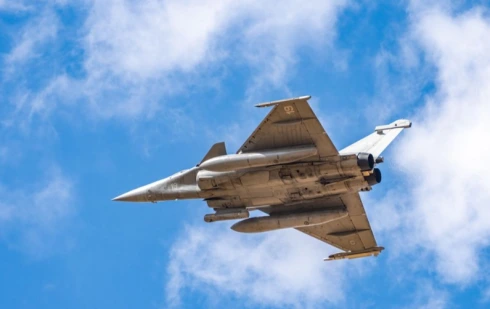
 The defense ministers of France, Germany, Italy, Poland, and the United Kingdom convened in Paris on Monday, expressing their commitment to assume greater political and military responsibility within the North Atlantic Treaty Organization (NATO). This marks a coordinated effort by Europe's top military powers to enhance their role in the alliance, although they emphasized the continuing importance of American support.
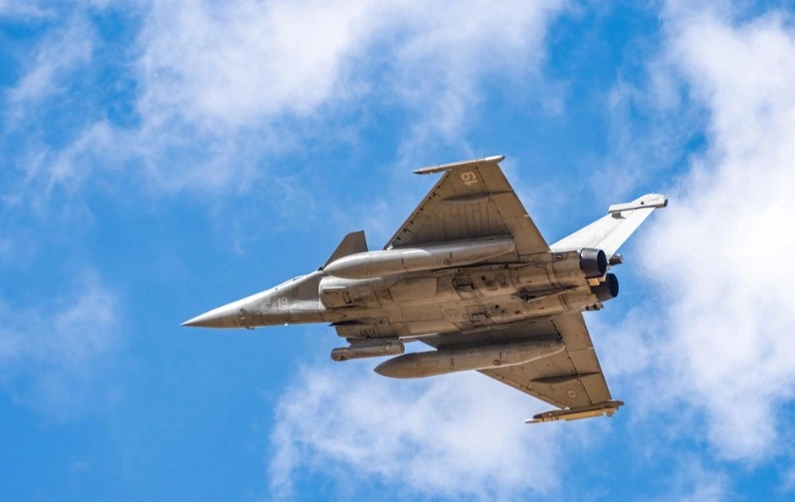
European powers to take on more security responsibility within NATO
Section: News
In a joint statement, the ministers highlighted the necessity for Europe to shoulder more of the burden of its own security. The statement, released by France’s Catherine Vautrin, Germany’s Boris Pistorius, Italy’s Guido Crosetto, Poland’s Pawel Zalewski (who represented Defence Minister Wladyslaw Kosiniak-Kamysz), and the United Kingdom’s Wes Streeting, underscored the ambition to work closely with the United States and other allies to realize this ambition.
The call for increased European responsibility comes amid pressure from Washington, particularly since the administration of former President Donald Trump, for European nations to enhance their contributions to NATO. According to the joint declaration, strengthening the role of European allies within NATO is essential while acknowledging the United States as an indispensable ally.
To achieve their objectives, the ministers agreed to collaborate in a structured and transparent manner with the United States. This includes detailed planning and timelines. French Minister Vautrin announced that a future meeting of the E5 group would take place in Rome next March to further these efforts.
The conference also saw participation from Kaja Kallas, the chief diplomat of the European Union, who advocated for modernizing military forces and capacities to construct a stronger Europe within a fortified NATO. Her call aligns with broader efforts within the EU to enhance defense capabilities in light of shifting geopolitical landscapes.
Polish Deputy Minister Zalewski expressed confidence in reaching a mutually beneficial agreement with Washington concerning the reduction of U.S. military presence in Europe. He emphasized the importance of coordinated efforts between American, European, and Canadian partners to ensure no gaps in capabilities or deterrence emerge, maintaining the alliance's operational effectiveness.
This meeting of European defense leaders underscores the continued importance of NATO amidst evolving global security challenges. The emphasis on a stronger European role within the alliance highlights both a response to U.S. policy shifts and a strategic pivot towards greater self-reliance in regional security matters.
For years, European nations have faced criticisms regarding their defense spending and operational contributions relative to the broader objectives of NATO. The joint statement by these five nations signifies a step towards addressing these criticisms while protecting the strategic interests of the alliance as a whole.
The discussions also reflect ongoing debates within Europe about how best to balance the need for self-reliance with the benefits of transatlantic cooperation. The reinforcement of European capabilities within NATO is seen as critical to maintaining collective security and addressing threats from state and non-state actors alike.
While the ministers acknowledge the indispensable role of the United States in NATO, the push for greater European responsibility reflects a broader desire for Europe to act more independently in safeguarding its security interests. This move towards increased autonomy has been fueled partly by uncertainties surrounding the future U.S. military commitments under successive American administrations.
The joint statement appears to set the tone for future engagements of European powers within NATO, potentially redefining how transatlantic defense policies are framed and executed. The ongoing collaboration between European nations lays the groundwork for a strategic recaliberation of NATO's mission, balancing the distribution of responsibilities while ensuring the alliance continues to function smoothly and effectively.
As these efforts advance, the outcomes of subsequent meetings, such as the planned Rome session, will likely shed further light on how these objectives will be operationalized. These developments may well affect NATO strategies and the broader dynamics of international security cooperation.
Source: france24.com
Photo by Rafael Minguet Delgado on Pexels
Section: News

Section: News

Section: Travel

Section: News

Section: News
Section: News

Section: Business

Section: News
Section: Politics

Section: Travel
Both private Health Insurance in Germany and public insurance, is often complicated to navigate, not to mention expensive. As an expat, you are required to navigate this landscape within weeks of arriving, so check our FAQ on PKV. For our guide on resources and access to agents who can give you a competitive quote, try our PKV Calculator.
Germany is famous for its medical expertise and extensive number of hospitals and clinics. See this comprehensive directory of hospitals and clinics across the country, complete with links to their websites, addresses, contact info, and specializations/services.
Didn't manage to get a ticket for Linkin Park? Or still not enough after the concert? Join us at CRASH on June 12th for our "IN THE END" Linkin Park Special + CORE NIGHT.All night long, we'll be playing Linkin Park's music, along with Nu Metal, Metalcore, and Alternative Rock from bands such as Limp...



No comments yet. Be the first to comment!