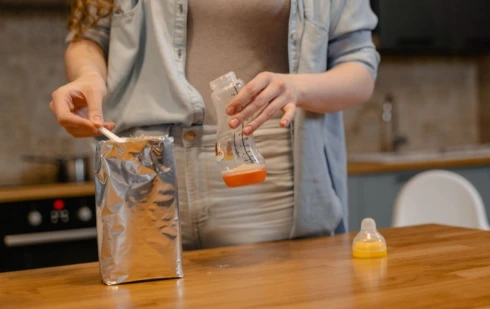
 Seven out of 25 infant formula samples (28%) tested in France contained banned per- and polyfluoroalkyl substances (PFAS) at levels capable of exceeding the tolerable weekly intake set by European health authorities, according to a report published on Thursday, November 26, 2026, by the French environmental organisation Générations Futures.
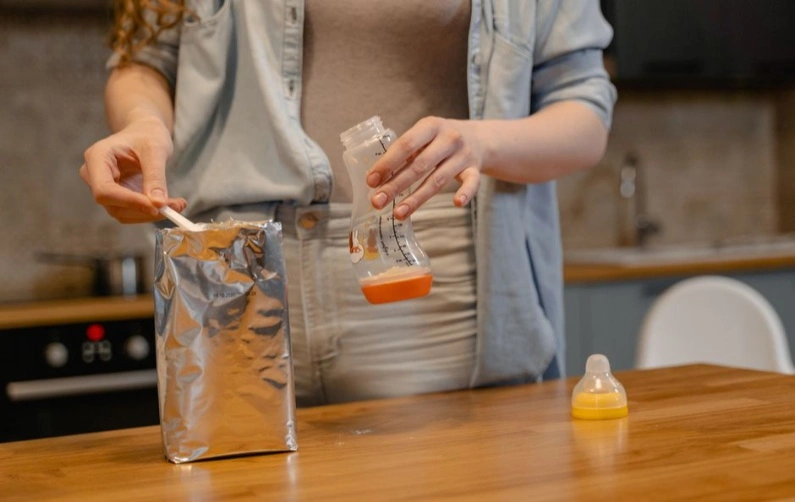
Baby formulas sold in France found contaminated with banned PFAS
Section: Health
Générations Futures compiled the figures from official 2024 French food-control data transmitted to the European Food Safety Authority (EFSA), rather than commissioning new laboratory tests. Six samples (24%) contained PFOS, classified as possibly carcinogenic to humans and banned since 2009, while one sample (4%) contained PFOA, classified as carcinogenic to humans and prohibited in France since 2019. Across all 652 French food samples inspected during the 2024 surveillance campaign, 21% tested positive for at least one quantifiable PFAS.
The public dataset does not identify the brands or manufacturers of the 25 tested infant formulas, and French authorities have not issued product recalls or sales restrictions.
While PFOS and PFOA are prohibited under European Union rules, EU food-safety legislation currently sets no binding maximum residue limit specifically for PFAS in infant formula, relying instead on a non-binding European Commission indicative level of 50 nanograms per kilogram. Because infants consume high volumes of milk relative to their body weight, low concentrations can push exposure above EFSA's weekly health reference threshold. Générations Futures noted that the findings reflect gaps previously flagged by the European Court of Auditors regarding EU food-contamination limits and monitoring.
Read also: How to Get Your Carte Vitale in France: The Real Timeline for New Residents and France's Social Security ceiling rises 1.74 percent on 1 January 2027.
This article is general information based on published reports and is not medical, legal, or financial advice. Consult a paediatrician or healthcare professional before changing an infant's diet, and check official announcements from French health authorities for any updates.
Source: Le Monde; Générations Futures (November 26–27, 2026).
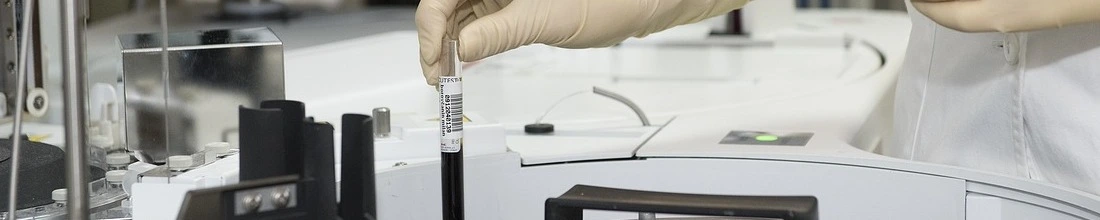
Photo by MART PRODUCTION on Pexels
Section: Health
Section: Fashion
Section: News

Section: Travel

Section: Travel

Section: Travel

Section: Travel

Section: News

Section: Travel

Section: Travel
Both private Health Insurance in Germany and public insurance, is often complicated to navigate, not to mention expensive. As an expat, you are required to navigate this landscape within weeks of arriving, so check our FAQ on PKV. For our guide on resources and access to agents who can give you a competitive quote, try our PKV Calculator.
Germany is famous for its medical expertise and extensive number of hospitals and clinics. See this comprehensive directory of hospitals and clinics across the country, complete with links to their websites, addresses, contact info, and specializations/services.
Didn't manage to get a ticket for Linkin Park? Or still not enough after the concert? Join us at CRASH on June 12th for our "IN THE END" Linkin Park Special + CORE NIGHT.All night long, we'll be playing Linkin Park's music, along with Nu Metal, Metalcore, and Alternative Rock from bands such as Limp...

No comments yet. Be the first to comment!