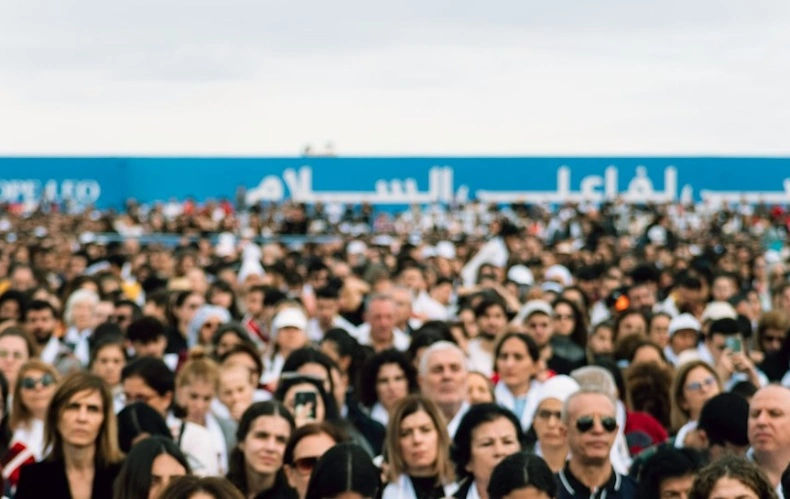
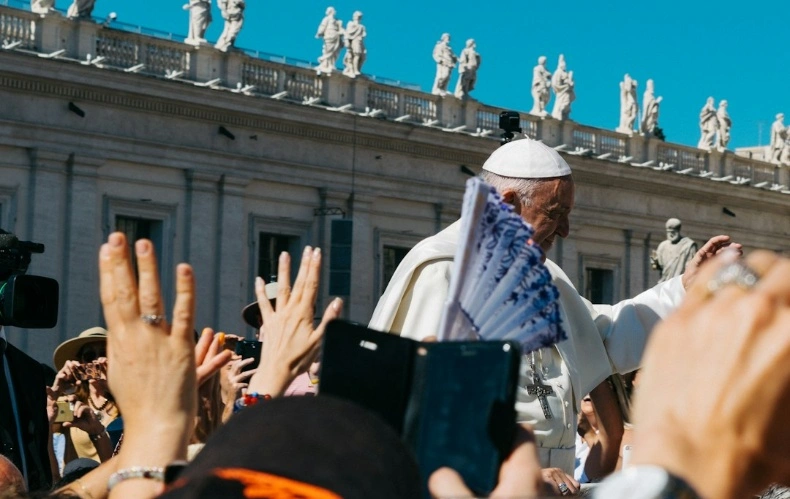
600,000 Register for Pope Leo XIV's Open-Air Mass in Paris Today
Section: News
Iran has reiterated its position against accepting what it describes as excessive demands from the United States in the latest round of negotiations concerning its nuclear program. The renewed discussions come after a period of heightened tensions in the region, following the resumption of talks between Tehran and Washington for the first time since last year's conflict involving Israel.
Speaking during a public address in Tehran, President Masoud Pezeshkian emphasized that Iran remains resolute in protecting its national interests and will not concede to external pressure. He stated that Iran is open to transparent verification measures regarding its nuclear activities and maintains that its nuclear program is exclusively peaceful in nature. This stance aligns with Iran's longstanding assertion that it does not seek to develop nuclear weaponry, a claim that continues to be viewed with skepticism by several Western governments and Israel.
The ongoing negotiations have revealed key differences in the agendas of the two countries. While Iran prefers that the dialogue remain focused strictly on its nuclear program, the United States has proposed expanding the scope of discussions to include Iran's ballistic missile activities as well as its support for various groups in the Middle East. This broader approach by the US is intended to address wider regional security concerns, but Iranian officials have consistently dismissed attempts to introduce topics beyond the nuclear issue.
The talks are taking place amidst persistent regional instability, including recent military actions and a significant increase in security presence at public gatherings in Iran. In the capital's Azadi Square, large numbers of Iranian citizens marked the anniversary of the 1979 Islamic Revolution, with authorities deploying additional security forces to maintain order. The annual event, which celebrates the overthrow of the former US-backed monarchy, remains a focal point for expressions of national unity and support for the current government.
In the weeks preceding the resumption of negotiations, Iran experienced widespread demonstrations, prompting a forceful response from security forces and drawing international attention. The United States issued warnings of potential military intervention should the situation escalate further, reflecting the broader geopolitical stakes involved in any agreement regarding Iran's nuclear ambitions.
As nuclear talks continue, Iran's leadership has indicated a willingness to engage in dialogue with neighboring countries in pursuit of regional stability and peace. However, Iranian officials remain adamant that their sovereignty and defense capabilities are non-negotiable, especially in the face of what they perceive as undue foreign pressure. The course of these negotiations will likely have significant implications for regional security, international relations, and the future of nuclear non-proliferation efforts in the Middle East.
International observers and stakeholders are closely monitoring the developments, as the outcome of these negotiations could shape the strategic landscape of the region for years to come. Both sides have expressed a commitment to continued dialogue, but substantial differences remain, particularly regarding the scope of issues deemed relevant to the talks.
Section: News
Section: Business
Section: Science
Section: Arts

Section: Business

Section: News
Section: News

Section: Arts
Section: Travel
Section: Arts
Both private Health Insurance in Germany and public insurance, is often complicated to navigate, not to mention expensive. As an expat, you are required to navigate this landscape within weeks of arriving, so check our FAQ on PKV. For our guide on resources and access to agents who can give you a competitive quote, try our PKV Calculator.
Germany is famous for its medical expertise and extensive number of hospitals and clinics. See this comprehensive directory of hospitals and clinics across the country, complete with links to their websites, addresses, contact info, and specializations/services.
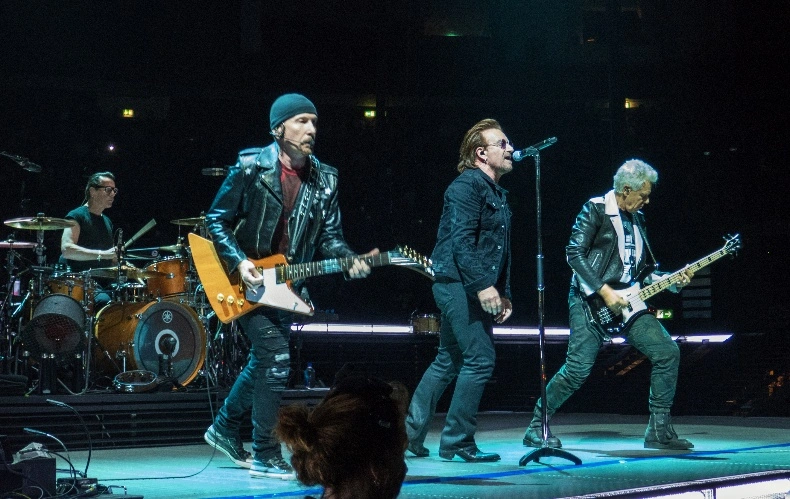
Didn't manage to get a ticket for Linkin Park? Or still not enough after the concert? Join us at CRASH on June 12th for our "IN THE END" Linkin Park Special + CORE NIGHT.All night long, we'll be playing Linkin Park's music, along with Nu Metal, Metalcore, and Alternative Rock from bands such as Limp...


No comments yet. Be the first to comment!